 CAPACUANSMALL SCALE
Centuries of gold in Camarines Norte.
Camarines Norte, and especially the towns of Paracale and Jose Panganiban, has been one of the best-known gold districts in the Philippines for centuries.
In short
- Gold has been mined here since at least the 12th century, and Spanish records describe gold mining in Paracale in the 1570s.
- The district has produced an estimated 150 tonnes of gold, according to the Mines and Geosciences Bureau.
- Before the Second World War, companies mined our own Manila and Vallejo veins underground, with at least 2,200 m of tunnels.
- The Inocalla family has worked in mining here for three generations, since before the war.
- 12thCentury when gold mining in the district began
- ~150tGold produced by the district, MGB estimate (about 5 million oz)
- 13Gold mines in the district before the Second World War
- 1570sSpanish records of gold mining in Paracale
Timeline
From early gold to today
- 12th century
Gold before the Spanish
Gold has been worked in the Paracale district since at least the 12th century, first by panning rivers and digging shallow, high-grade outcrops, long before Europeans arrived.
- 1570s
Spanish expeditions
Spanish expeditions reach the gold mines of Camarines in the early 1570s and record extensive placer gold mining in Paracale.
- 1900s–1930s
The dredging era
During the American period, gold dredges and mining companies operated around Paracale and Mambulao, the old name of Jose Panganiban.
- 1919
Camarines Norte becomes a province
Act No. 2809 separates Camarines Norte from Ambos Camarines on 3 March 1919.
- 1934
Mambulao becomes Jose Panganiban
The town of Mambulao was renamed Jose Panganiban, after the Bicolano patriot José María Panganiban.
- 1930s
Modern mining on our veins
Paracale Nacional Gold Mining Company and International Engineering Corporation open underground mines on the Manila and Vallejo veins, with at least 2,200 m of tunnels driven before the war. In 1939 about 8,500 tons of ore were reported mined from the Manila Vein, at typical grades of about 20 g/t gold.
- Before 1941
The pre-war mines
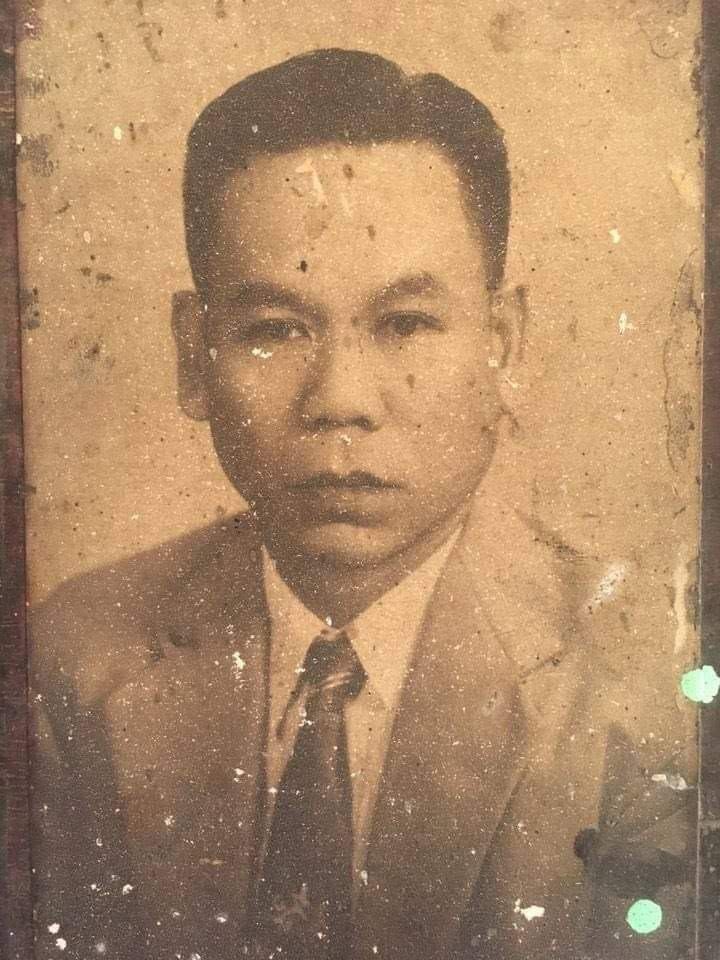
Government records list 13 active gold mining operations in the district. American prospectors explore the area through Tumbaga Mining Company and Paracale Nacional Mines. Vicente L. Inocalla Sr., Allan’s father and founder of the family’s mining business, works in the Paracale mines.
- 1941
War stops the mines
The Pacific War halts mining. Afterwards only a few mines reopen.
- 1952
A family mining contractor
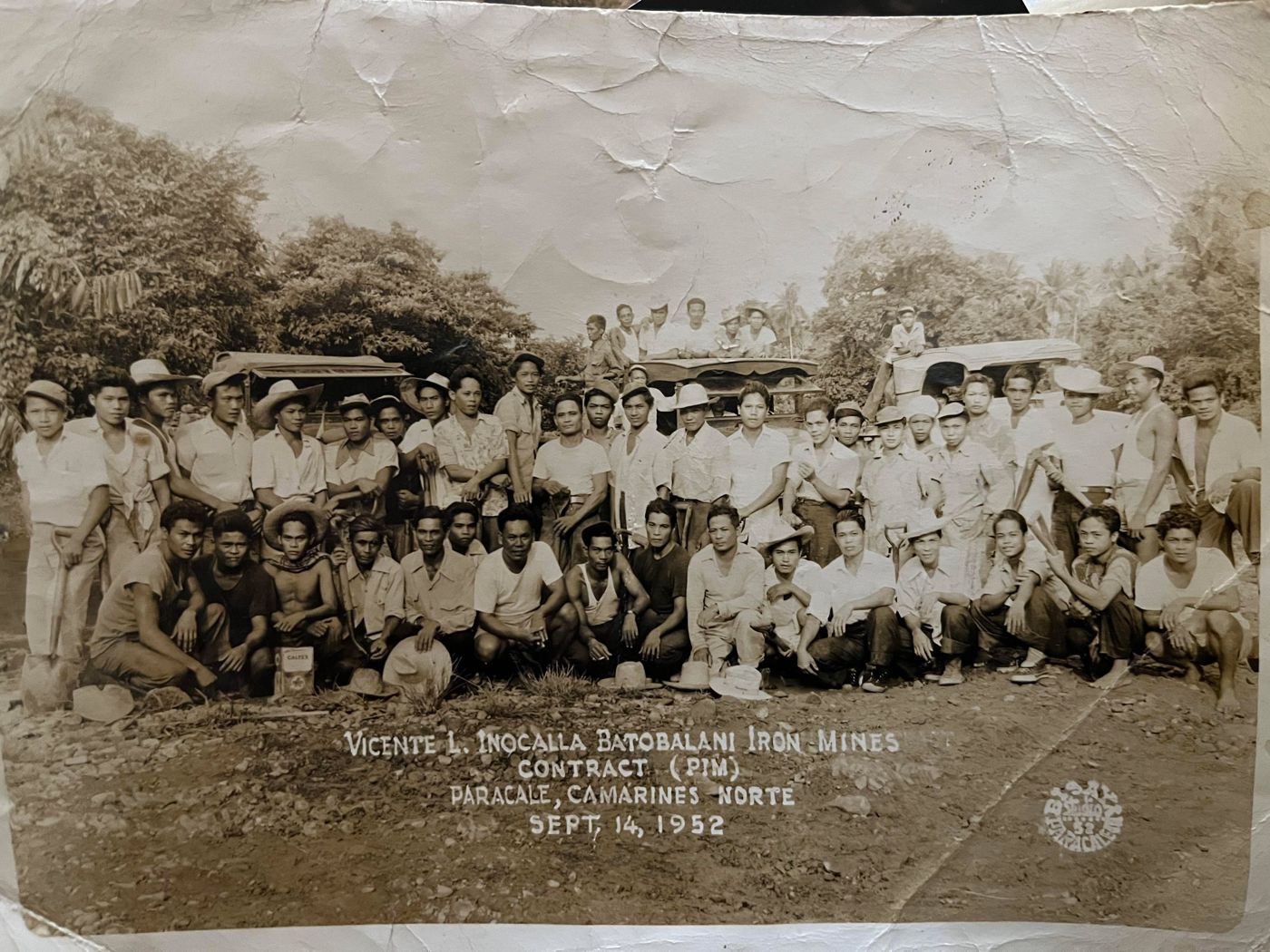
Vicente L. Inocalla Sr., founder of the Inocalla family’s mining business, works the Batobalani iron mines in Paracale under contract to Philippine Iron Mines, as a mining and hauling contractor.
- 1956
Claims sold to Philippine Iron Mines
The gold claims of Paracale Nacional Gold Mining Company are sold at public auction to Philippine Iron Mines, which first explores the area for iron ore.
- 1970s
Philippine Iron Mines returns to gold
Philippine Iron Mines maps and samples the area and reopens parts of the old underground workings on the Manila and Vallejo veins, but is liquidated before mining restarts.
- 1976
The Bureau of Mines takes over
The Bureau of Mines takes custody of the Philippine Iron Mines claims and drills holes to test how far the gold veins continue at depth.
- 1980s
A district of three tonnes a year
One placer operation, three medium-scale underground mines and many small-scale miners produce an estimated 3 tonnes of gold a year.
- 1980s
Benguet and Alpha Resources
Benguet Corporation and Alpha Resources Development Corporation explore across the district, including some drilling on our veins. Benguet estimates tonnes and grades for parts of the Manila, Vallejo and Virginia veins.
- 1983–1992
Sta. Rosa Mines
Managed by Benguet Corporation, the mine about 5 km from our area uses carbon-in-leach processing and reportedly produces about 100 kg of gold a month.
- 1991
Republic Act No. 7076
The People's Small-Scale Mining Act creates the legal basis for Minahang Bayan areas.
- Mid-2000s
A further review
Bulawan Mineral Resources Corporation reviews several of the veins, without mining.
- November 2021
An independent geologist on site
A geologist commissioned by Paracale Gold Corp. visits the site, inspects the family’s small-scale workings on the Manila and San Rafael veins and reviews the sampling.
- February 2026
The association is reorganised
At its re-organisational meeting on 15 February 2026, the Capacuan Small Scale Miners Association elects Allan Inocalla as President.
- August–September 2026
Field sampling and a new report
Rock samples from the Manila, Vallejo and Tumbaga veins go to the Mines and Geosciences Bureau laboratory, and independent geologists complete a report on the vein systems.
- Today
Our Minahang Bayan
Capacuan Small Scale Miners Association mines gold and silver legally in Minahang Bayan areas in Jose Panganiban and Paracale.
Sources: J. C. Zafra, technical report for Paracale Gold Corp. (2022); Acenas & Vargas (2026); Lopez, Isles of Gold: A History of Mining in the Philippines (1982).
Family archive
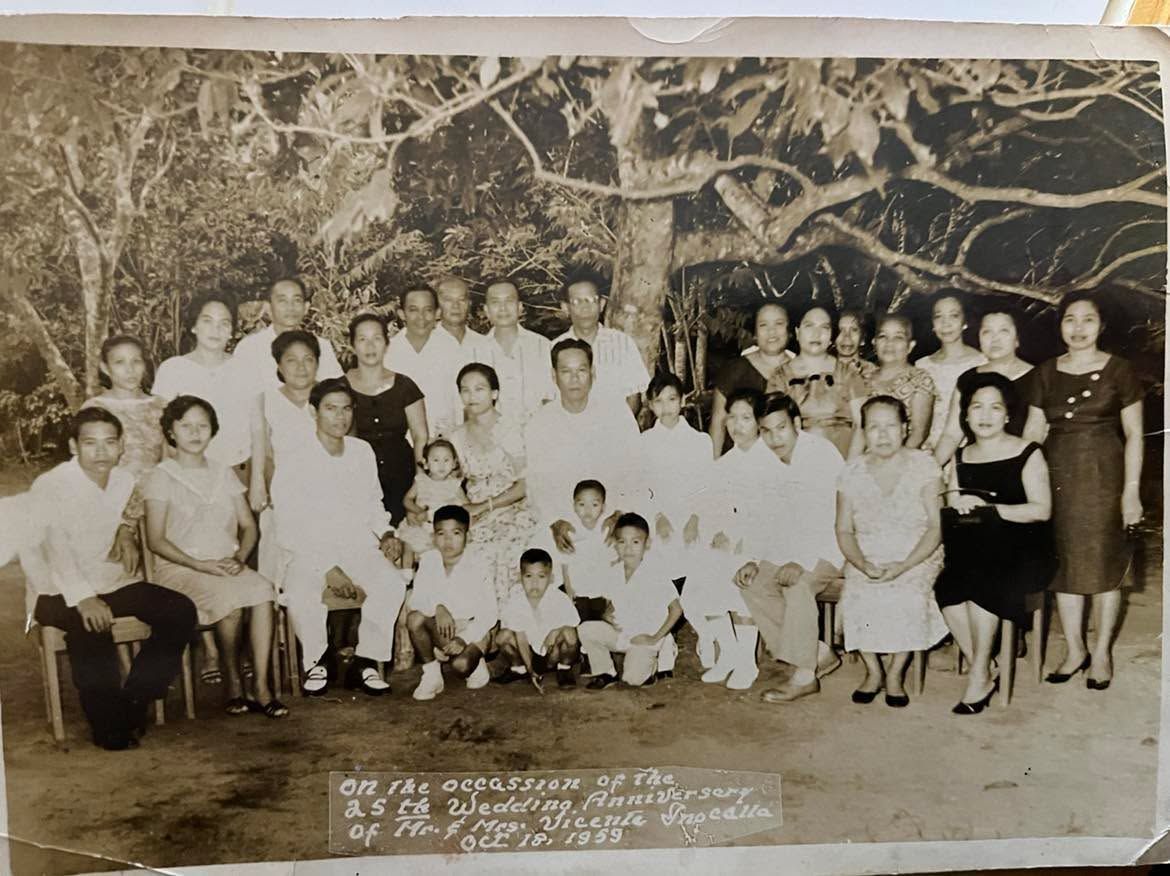
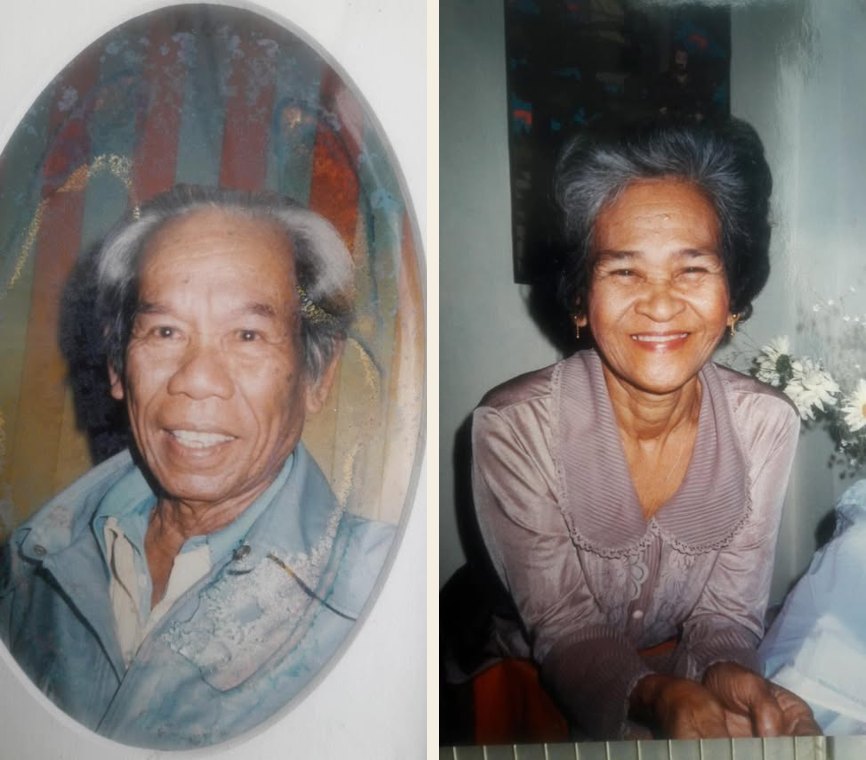
Three generations of Inocalla mining
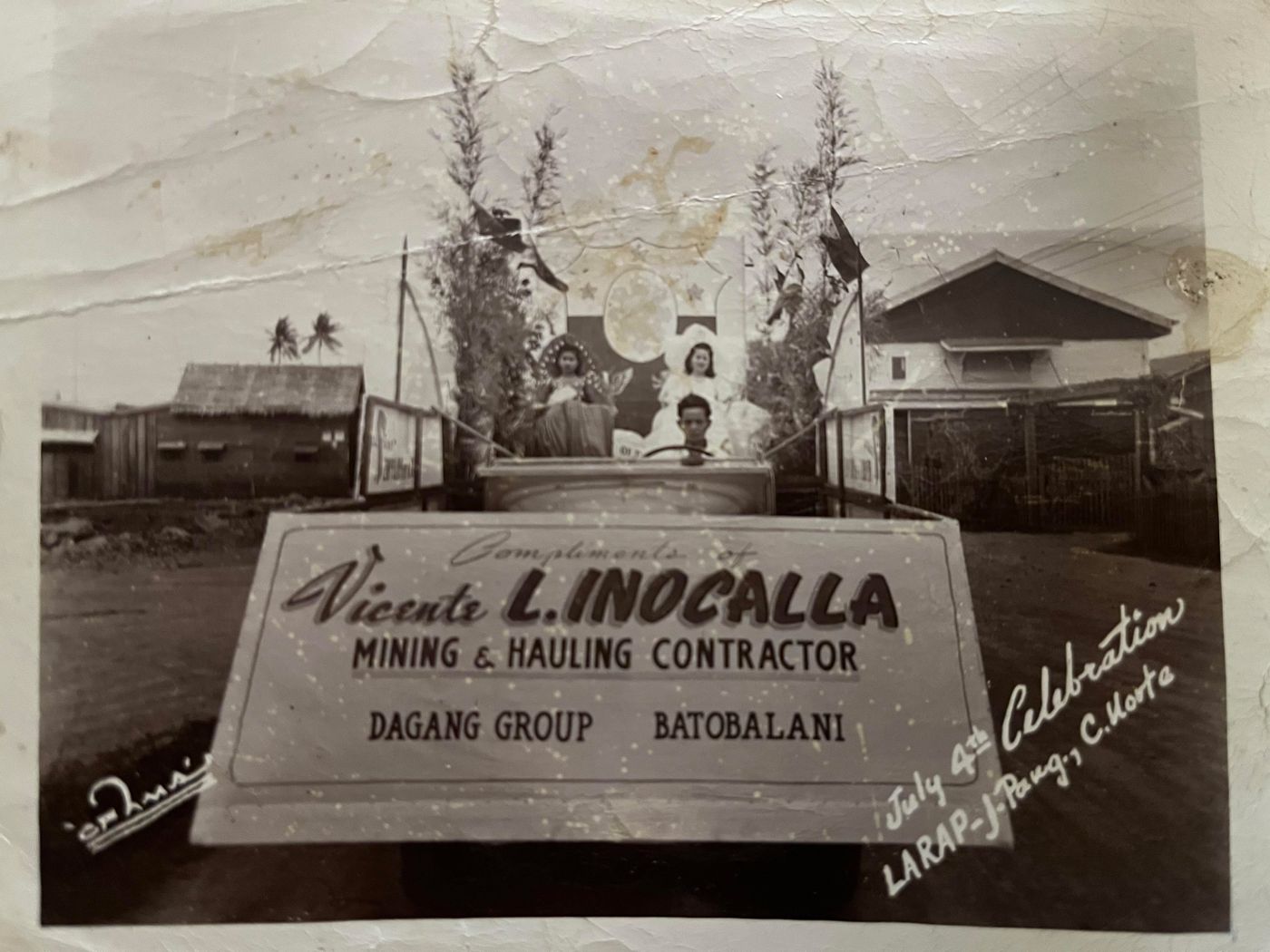
Vicente L. Inocalla Sr. founded the family’s mining business. These photographs from the family archive show his work as a mining and hauling contractor in Paracale and Jose Panganiban after the war.
Our history
Rooted in the land: the Inocalla family story
- 1934–1941
Rooted in the land
In the 1930s, when American mining companies came to Paracale for its gold, this mineralised land was recorded to our parents, Vicente Inocalla Sr. and Beatriz Villafria Inocalla. It was mined until the Pacific War broke out in 1941.
- 1950s
A coconut plantation
Vicente Sr. saw the need for farming as well as mining. By the 1950s the family had grown the land into a farm and coconut plantation, home to a small mining community that included Aeta families.
- 1972
Land for a school
The family donated land to the Department of Education for an elementary school, the first of several gifts of land to the community.
- 1980s
Panning for a living
After our parents passed away in the 1980s, brothers Jess Inocalla and Vicente Inocalla Jr. began panning for gold in the creeks. Gold was not worth much in those days, but it was enough to sustain our workers and their families.
- 1980s–2008
Seeking a permit
Senen “Betty”, Casper and Jesus Inocalla applied for a Mineral Production Sharing Agreement (MPSA) in the 1980s, without success. In 2008 Betty obtained a small-scale mining permit, but that permit system was later replaced by the Minahang Bayan system.
- 1990s
Building a community
The five Inocalla siblings took up yoga and Arnis, the Filipino martial art. The family donated five hectares of land, now home to AMSAI Elementary School, where we began Arnis classes and seminars, and yoga and meditation retreats. This became the “Master Unit”, a sustainable community in Tumbaga, San Rafael, Jose Panganiban.
- Since 2012
The Minahang Bayan application
The family has applied since 2012 to have Capacuan declared a Minahang Bayan, a People’s Small-Scale Mining Area recognised by the Philippine government.
- 2017–2021
Difficult years
As unauthorised miners moved onto the family’s farm and mining land, disputes over the gold veins grew. During the COVID-19 pandemic, small-scale mining became the main livelihood on the farm, and farming was gradually left behind. These were also years of great loss for our family. We remember Vicente Inocalla Jr. (2017) and Senen “Betty” Inocalla (2021).
- 2021–2022
A new vision
Allan Inocalla commissioned geologist Jaime C. Zafra to prepare a geological report on the land, completed in January 2022. He then founded Paracale Gold Corp. in British Columbia, Canada, to bring together responsible mining, farming, sport, wellness, Arnis, yoga and educational tourism.
- 2026
Moving forward together
In February 2026 the Capacuan Small Scale Miners Association elected Allan Inocalla as its President. Mining now runs inside a legal Minahang Bayan, with independent geologists studying the veins and a mercury-free processing plant nearby, so that mining, farming and community programs can grow together again.
In the words of the Inocalla family, as told by Allan Inocalla (2026).
Culture
Mining culture in Paracale and Jose Panganiban
Gold has shaped daily life here for generations: family crews, river panning, and skills handed down from parents to children.
Our community keeps that heritage while changing how the work is done: legally, with machines, and with programs such as Arnis that carry Filipino tradition forward.
Technical details
Records and sources
For researchers and analysts. Tap a heading to open it.
Production records
District total: about 150 tonnes (about 5 million oz) of gold, an estimate by the Mines and Geosciences Bureau quoted by Zafra (2022). It covers placer and lode mining over several centuries and cannot be checked in detail.
Manila Vein, 1939: about 8,500 imperial tons of ore mined, at typical grades of 0.7 oz per ton (about 20 g/t), from records of Paracale Nacional Gold Mining Company and International Engineering Corporation as reported by Paracale Gold Corp. Detailed production records for the vein have not been collated.
1980s: one placer operation, three medium-scale underground mines and many small-scale miners produced an estimated 3 tonnes of gold a year across the district. The Sta. Rosa mine, about 5 km away, reportedly produced about 100 kg a month from 1983 to 1992.
Companies that explored the area
Tumbaga Mining Company, Philippine Iron Mines, Marcopper Mining, Benguet Corporation with Getty (uranium exploration), the Bureau of Mines, Benguet Corporation, Alpha Resources Development Corporation, Placer Pacific Philippines and Bulawan Mineral Resources have all explored the area. Gold Fields Asia’s 1989 skarn exploration noted a mineralised zone of about 200 by 500 metres, and small-scale miners recovering 200 to 500 grams of gold a month from selected veins.
Sources and how reliable they are
J. C. Zafra, technical report for Paracale Gold Corp. (2022). A technical report by a professional geologist, including a site visit in November 2021. Its exploration target is not used on this site.
M. G. Acenas & D. Vargas (2026). A geological report prepared for Paracale Gold Corp. It states that it is not compliant with NI 43-101 or JORC.
B. Lopez, Isles of Gold: A History of Mining in the Philippines (1982). Background on the district before and after the war.
Company records quoted in these reports have not been independently verified. Family history and photographs come from the Inocalla family archive.
Gold mining investment · Philippines
Join us as an investor.
Contact us for site details, survey information, plant information and our plans. We reply within two business days.
Or email us directly:
Mining investment carries risk, including the loss of capital. This website is for information only and is not an offer of securities.